Back

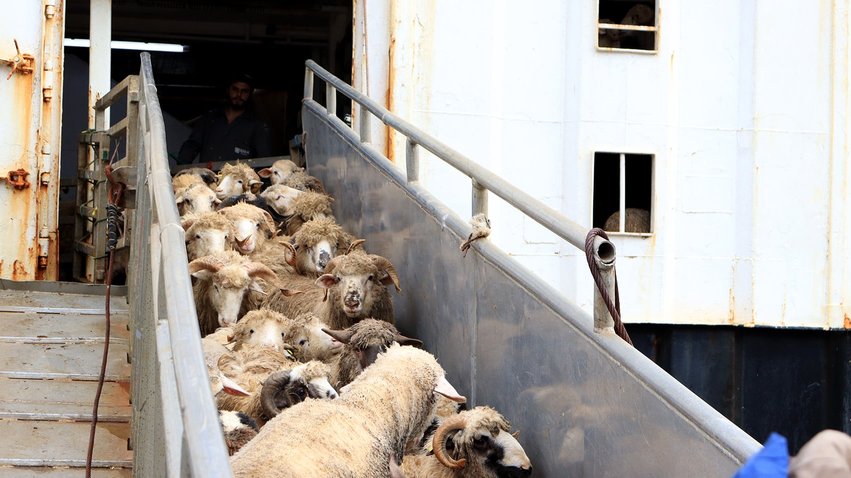
Béjaïa Port Receives 11,700 Heads of Romanian Sheep

February 5, 2026اقتصاد – الشروق أونلاينechoroukonline.comTranslated from Arabic
Béjaïa Port Receives 11,700 Heads of Romanian Sheep

Béjaïa Port recorded its first docking of a ship loaded with 11,700 heads of sheep coming from Romania yesterday, Wednesday, just two days after receiving the first shipment of calves from Brazil in 2026, as part of efforts to secure red meat in local markets. This operation is part of the national market supply program for red meat, which aims to ensure supply stability and meet the needs of citizens in various regions of the country. Read the full content on Echourouk Online.

Share on social media

Related Articles

إقتصاد - الشعب

Algeria is the top supplier of naphtha to Korea

Algeria ranked first among naphtha suppliers to the Republic of Korea in the first half of 2026, with a share of over 17 percent of the country's imports, according to data from the Korea International Trade Association (KITA).

Sep 13, 2026echaab.dz
Workers appear before import and disappear after!

Workers appear before import and disappear after!

The declaration of social insurance interests then disappearing in three months and returning at the beginning of July coincided with the period of processing import files, including workers, capacities, and demand size... All data became comparable. Sources from the foreign trade sector revealed striking numerical indicators that appeared during the analysis of data from some companies involved in import files, most notably the registration of workers with social security services during the period from January to March 2026, before the declarations of workers completely disappeared during April, May, and June, then returned again starting from July and continued until the end of September, coinciding with the period known for the submission and study of program files.

Sep 13, 2026echoroukonline.com

News Disclaimer: Articles are curated from third-party sources for informational purposes. We do not verify or endorse the accuracy of third-party content.