Algerian Arboriculture: From Productive Power to Circular Revolution
By: Nabil BENSAID
Apr 14, 2026 algeriainvest.info
Farming, food production, agricultural exports, and food security
By: Nabil BENSAID
algeriainvest.info
The Food and Agriculture Organization (FAO) warned that the ongoing crisis in the Strait of Hormuz could lead to catastrophic consequences for the global food and agriculture sector, due to disruptions in fertilizer and energy exports, rising food prices, and declining crop yields. The organization stated yesterday, Monday, that any disruption in the flow of supplies through the vital strait would directly impact agricultural and food supply chains by affecting fertilizer flows and energy sources, which could lead to increased agricultural production costs globally and higher food prices in international markets. Read the full content on Echourouk Online.
 echoroukonline.com
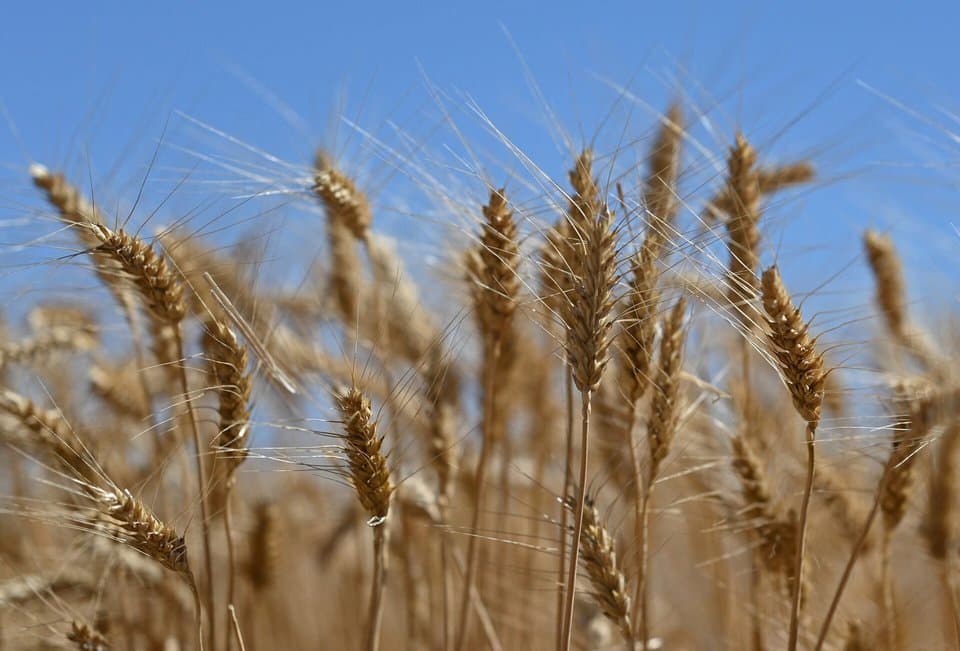
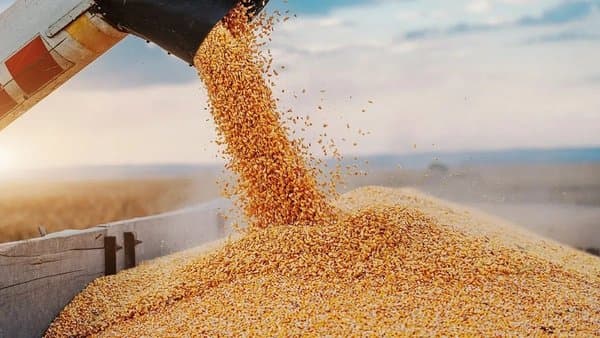
The Algerian Professional Office of Cereals has launched an international tender to purchase 50,000 tons of durum wheat, according to European traders, as part of efforts to secure food supplies and enhance the national stock. Traders explained, according to what Reuters reported, that the deadline for submitting bids is set for Wednesday, April 15, with these bids remaining valid until Thursday, April 16. View the full content on الشروق أونلاين.
echoroukonline.com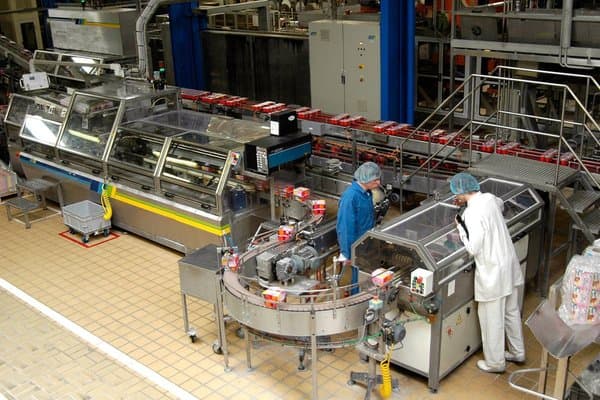
The agri-food industry continues its path of growth, increasingly assured, having successfully navigated the turning point.
 ecotimesdz.com
The finding presented by the Resilient Food Systems Index (RFSI) 2026, recently published by The Economist Impact with support
ecotimesdz.com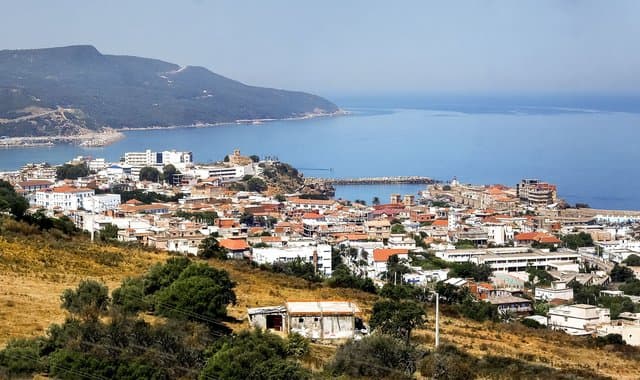
Located in the far northeast of Algeria, in the wilaya of El Tarf near the Tunisian border, El Kala is a
ecotimesdz.com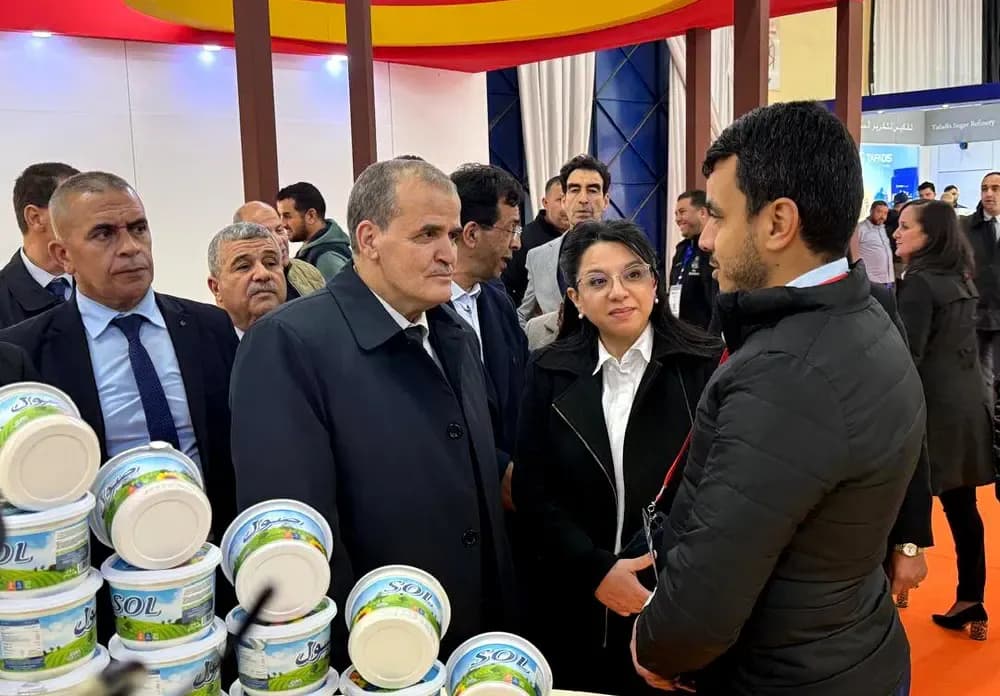
Algeria - The Minister of Foreign Trade and Export Promotion, Kamel Rezig, accompanied by the Minister of Domestic Trade and Regulation of the National Market, Amal Abdel Latif, visited the professional exhibition for food industries 'Ghazagro' today, Monday. The event is dedicated to the food and agricultural industries and features wide participation from economic operators and national and foreign institutions, according to a joint statement from the two ministries.
 aps.dz
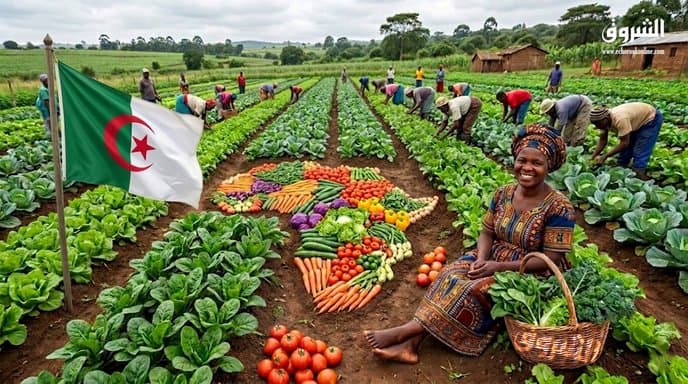
Algeria scored 64.66 points in the Food Systems Resilience Index for 2026, ranking 32nd globally and first in Africa, ahead of South Africa which scored 62.65 points (38th globally), and Egypt with 62.18 points (39th globally), according to a ranking published by Economist Impact in collaboration with Cargill. The index, which evaluates 60 countries globally, shows that only three African countries out of 12 included in the study exceeded the 60-point threshold, namely Algeria, South Africa, and Egypt, placing them in the category of 'satisfactory' resilient food systems, while the rest of the countries remained below this level. View the full content on Echourouk Online.
echoroukonline.com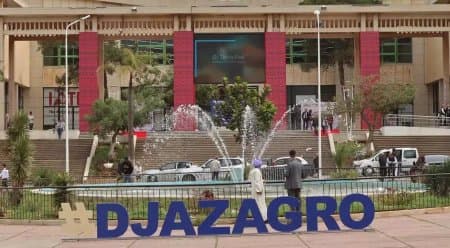
The 23rd edition of the professional food industries exhibition 'Ghazagro' was inaugurated with the participation of about 700 Algerian and foreign exhibitors representing 28 countries, reflecting the strong international presence of this economic event specialized in the food industries sector. The national pavilion includes more than 150 Algerian companies, alongside notable foreign participation led by companies from Italy, Turkey, China, and Germany, showcasing the latest food industry equipment, as well as processing, packaging, and labeling solutions. Read the full content on Echourouk Online.
echoroukonline.com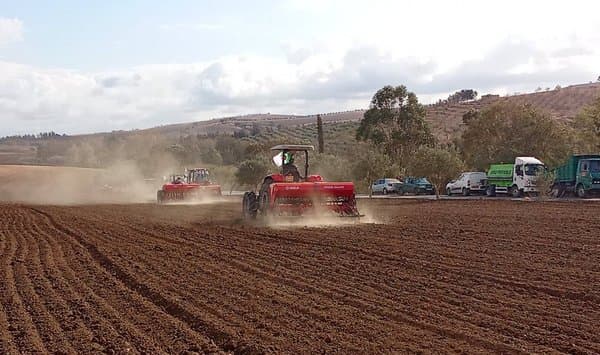
Under the presidency of Minister Yasine Oualid, a national meeting brings together the executives of the National Office of Agricultural Lands to
ecotimesdz.com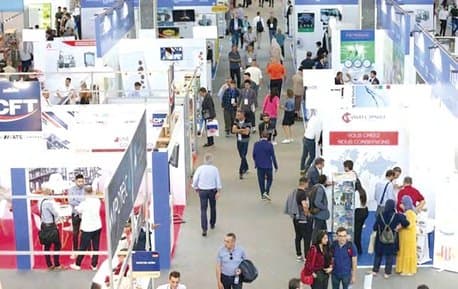
The agri-food sector is one of the most dynamic sectors of the national industry. It shows a sustained growth of 7% annually and employs
ecotimesdz.com
The notion of 'self-sufficiency' has long dominated our collective mindset, and even our traditional academic curricula, as a sole prerequisite for export. The golden rule of this school is: 'Feed the local market first, stabilize prices, then think about selling the surplus.'
 iqtissadalbalad.dz