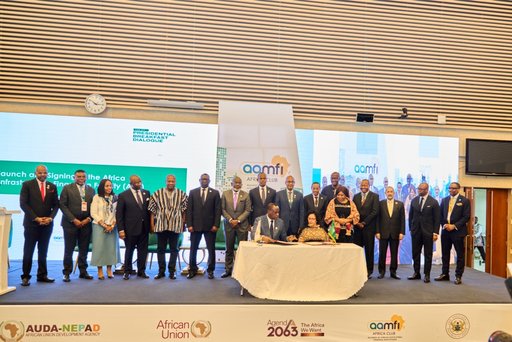
Strengthening continental financial sovereignty: An African financing mechanism launched
African heads of state and government recently officially launched the African Infrastructure Financing Mechanism (AIFF), according to
Mar 1, 2026ecotimesdz.com
Banks, financial services, lending, and fintech developments
African heads of state and government recently officially launched the African Infrastructure Financing Mechanism (AIFF), according to

Hadi Tamam, the General Director of the Loan Guarantee Fund for Small and Medium Enterprises, confirmed that the fund is continuing to support small and medium enterprises, whether in the establishment phase or in the expansion phase, after the fund's activities were previously limited to medium-term investments or commercial loans. Hadi Tamam, who was a guest on the Multimedia Economy program, added that the fund has signed agreements with all accredited banks in Algeria to grant loans exceeding 50 million dinars with a guarantee not exceeding 70 percent, which is a significant rate to cover the risk borne by the bank.
At a time when a disruption of global financial markets is rightly expected, following the American-Israeli strikes against Iran,
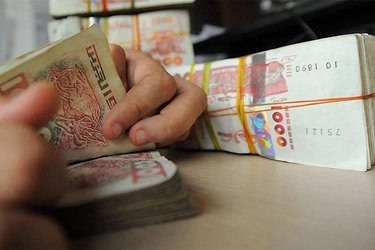
The total outstanding collections at the tax administration as of December 31, 2023, reached approximately 7.622,644 trillion dinars, of which 6.991,206 trillion dinars are tax debts. This comes at a time when the government announced a tax reconciliation allowing debtors to settle their situation by paying only 8 percent of their debts, along with other exemptions extending until December 31 of the upcoming year. According to a report issued by the Finance and Budget Committee of the National People's Assembly, related to the budget settlement project for the year 2023, outstanding collections and tax debts in Algeria continue to rise, posing a growing burden on public finances, with total accumulated debts at the tax administration reaching approximately 7.622,644 trillion dinars as of December 31, 2023, and...

Algeria has gained additional financial benefits as oil prices rose to around $72 per barrel, an increase of $12 from the reference price set in the 2026 finance law at $60 per barrel. Barclays Bank has suggested the possibility of Brent crude rising to $80 in the event of significant disruptions in global supplies. The current price level means direct support for oil revenues, with expectations of further increases in revenues if the bank's estimates are realized, which could raise the difference to about $20 additional per barrel compared to the reference used in the budget. Read the full content on الشروق أونلاين.
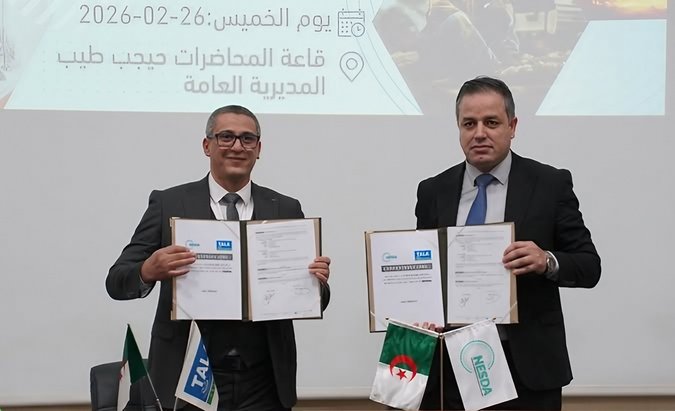
The National Agency for Support and Development of Entrepreneurship (NESDA) and the public company 'TALA Assurances' signed last Thursday a
Economy DZD aliqtissad dz Algeria economy news
Economy of Algeria news
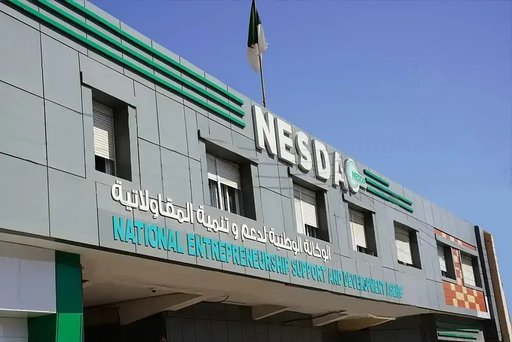
The National Agency for Support and Development of Entrepreneurship (NESDA) and the public company "TALA Assurances" signed, Thursday in Algiers, a

Algeria - The National Agency for Support and Development of Entrepreneurship (NESDA) and the public insurance company 'Tala' signed a framework agreement today, Thursday, in Algiers, aimed at launching insurance coverage for project holders benefiting from support from the NESDA agency, according to a statement from the agency.
Algeria - The Commission for the Organization and Supervision of Stock Exchange Operations (COSOB) announced today, Thursday, in a statement, the registration of the stock exchange intermediaries 'Caisse Nationale d'Épargne et de Prévoyance' and 'Tel Markets' as sponsors in the stock exchange, in accordance with the provisions of system No. 23-04 dated October 25, 2023, related to the general system of the stock exchange for transferable securities.
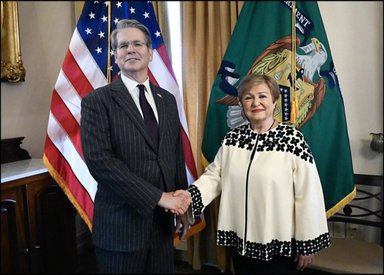
The International Monetary Fund proposed an alternative mix of economic policies to achieve the aspirations of the U.S. administration without causing negative global repercussions. In the review of Article IV for 2026, the Fund emphasized that adopting more sustainable tax and structural mechanisms instead of tariffs would serve Washington's national goals while simultaneously protecting the stability of the international financial system from inflation and rising debt risks.