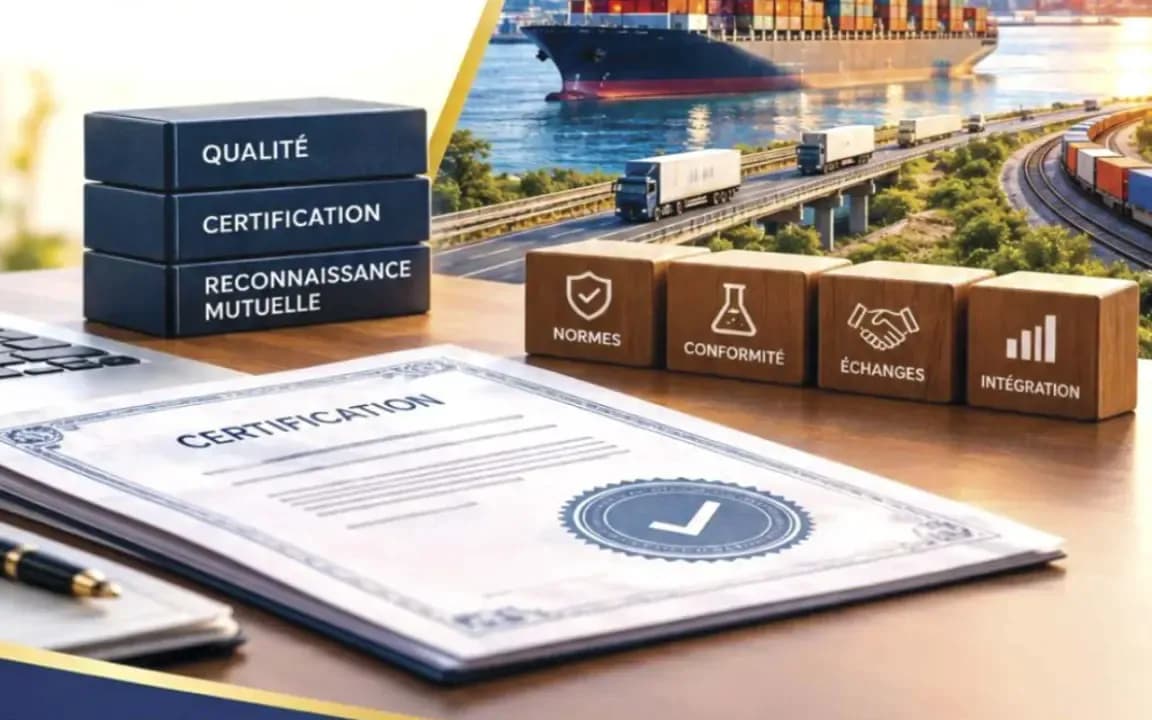
The Silent Battle of Standards
The certification and mutual recognition of standards determine the economic integration and Algerian exports under the AfCFTA.
Sep 28, 2026 ecotimesdz.com
Government economic decisions, reforms, budgets, and fiscal policy
The certification and mutual recognition of standards determine the economic integration and Algerian exports under the AfCFTA.
ecotimesdz.com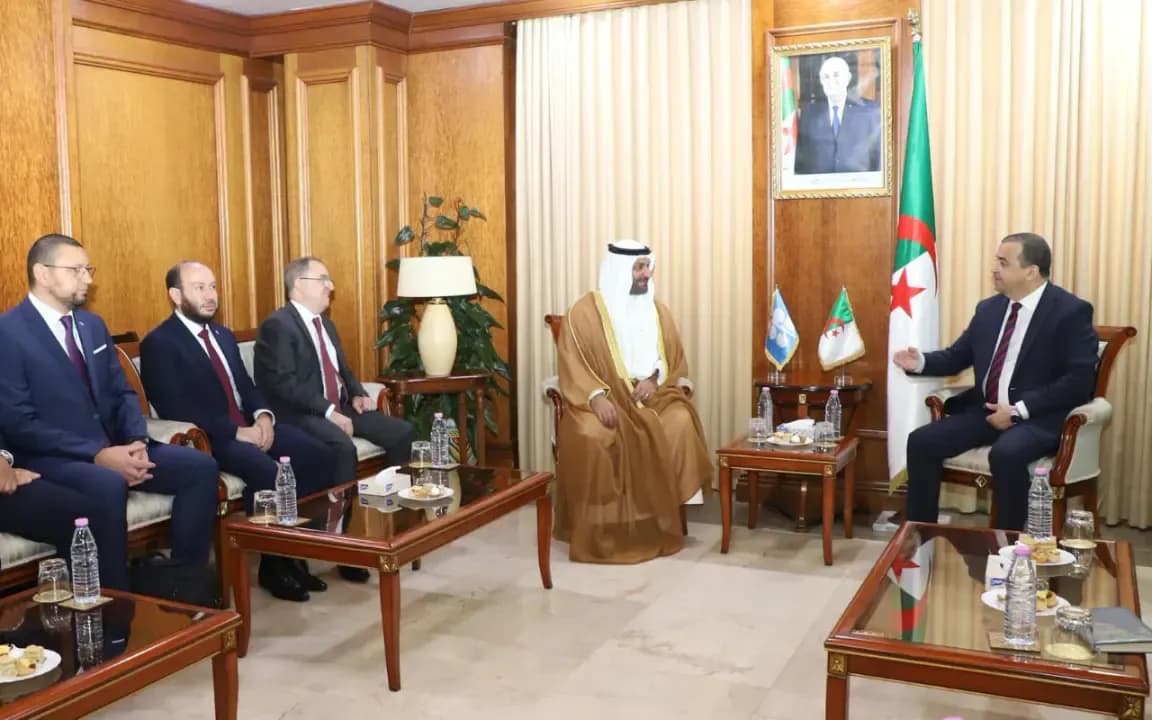
Mohamed Arkab and Haitham Al Ghais discuss the stability of the oil market and celebrate the 10th anniversary of the Algiers Agreement (OPEC+).
ecotimesdz.com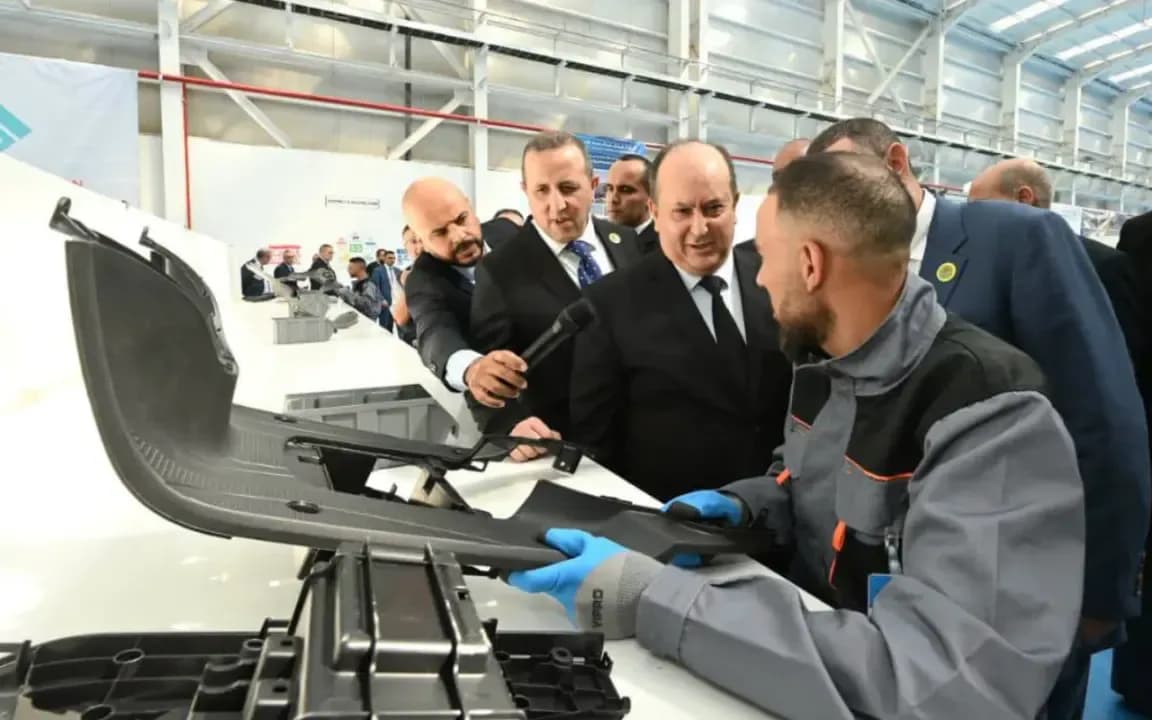
The revival of the GPI plant will produce plastic components for 200,000 vehicles/year and will strengthen local integration.
ecotimesdz.com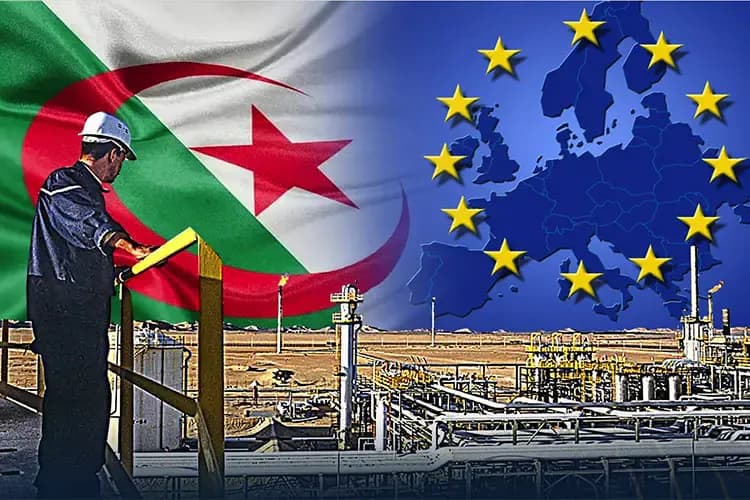
Exchanges of €43.4 billion in 2025 and 93 percent of Union purchases are hydrocarbons. Inclusion of Algerian enterprises in European value chains is among the main demands. Development of local subcontracting to ensure greater benefit from the partnership. The National Chamber of Auditors requested a redirection of the economic partnership between Algeria and the European Union, from mere liberalization of trade exchanges to a partnership based on production, investment, and technology transfer, through six changes at a time when commodity exchanges between the two parties reached €43.4 billion in 2025, with the European Union accounting for 49.6 percent of Algeria's foreign trade, while mineral products, led by hydrocarbons...
 echoroukonline.com

The Arab Petroleum Exporting Countries Organization (OAPEC) confirmed that Algeria's agreement adopted by the Organization of the Petroleum Exporting Countries (OPEC) represents a 'strategic turning point' in the global oil market as it establishes, in the long term, fundamental pillars for the 'OPEC+' agreement to address developments in the global oil market. The organization's Secretary-General, Khaled Al-Otaibi, clarified this in the organization's monthly bulletin, which was issued […]
echaab.dz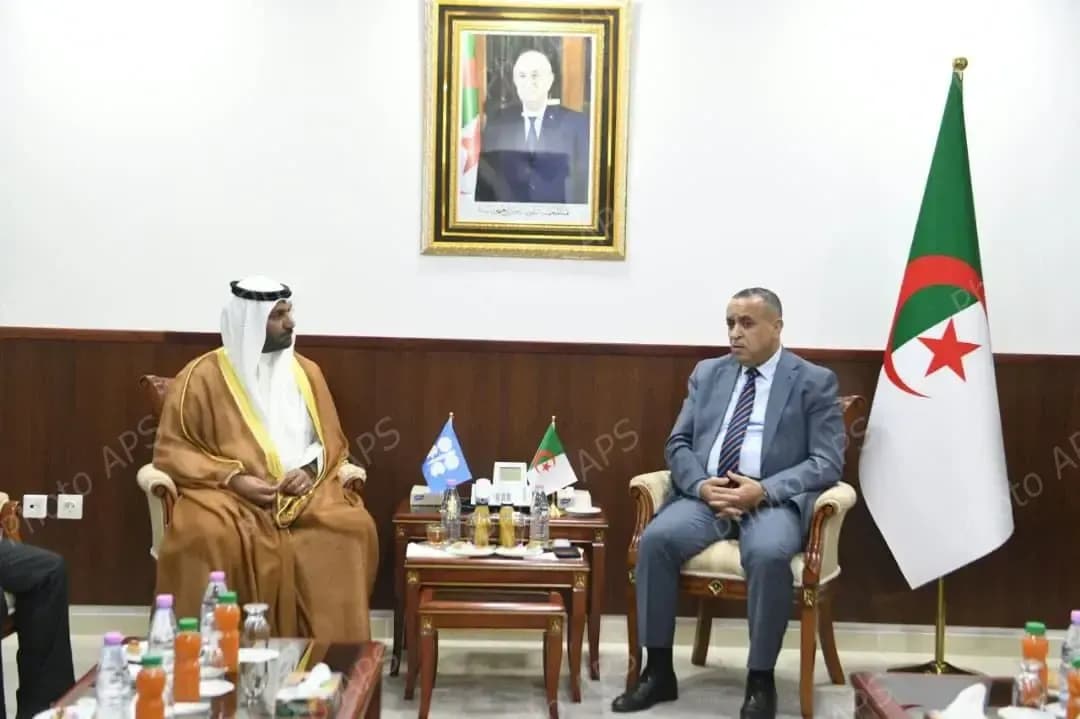
Algeria - The Minister of Energy and Renewable Energies, Mourad Ajal, received today, Sunday, the Secretary General of the Organization of the Petroleum Exporting Countries (OPEC), Haitham Al-Ghais, who is on a working visit to Algeria, where the two parties discussed ways to enhance energy cooperation.
 aps.dz
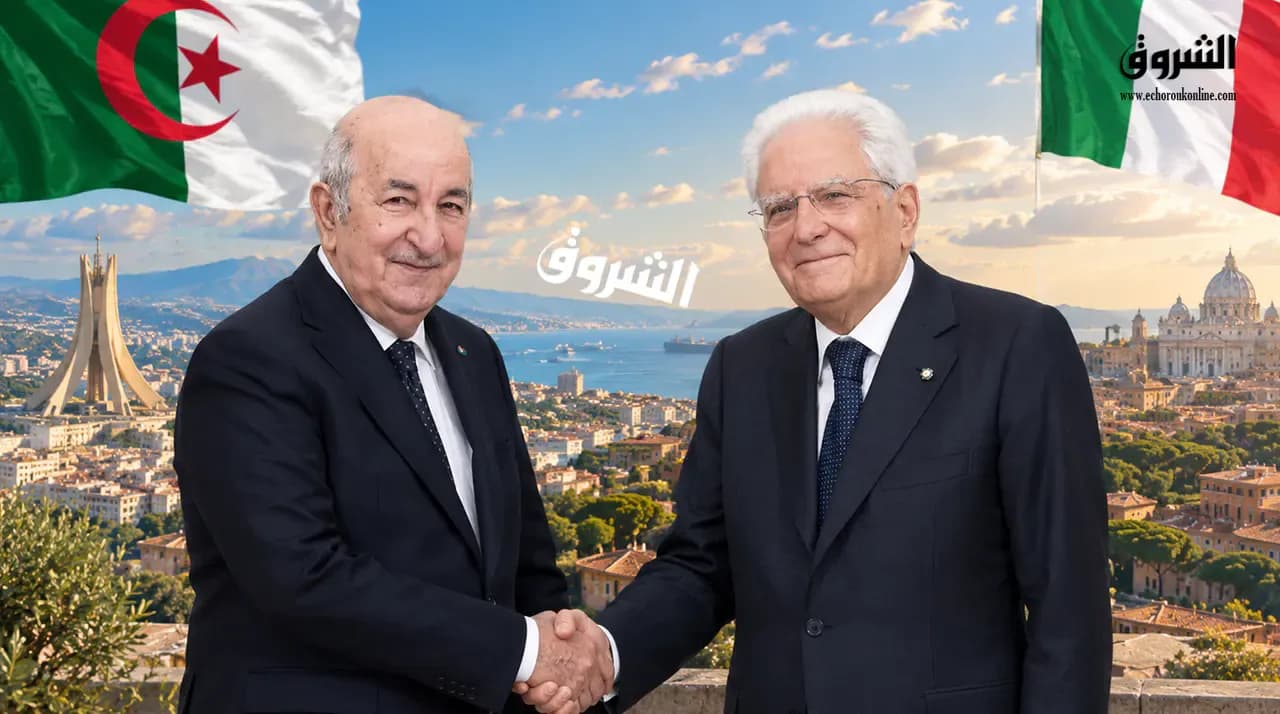
Italian Minister of Business and Industry Adolfo Urso confirmed that the international agreements his country has signed with Algeria and other African partners are part of the structural measures adopted by Rome to enhance energy security and address the repercussions of rising fuel prices. Urso stated in an interview with the newspaper 'La Repubblica' that the Italian government is working on a set of measures to mitigate the impact of rising energy costs on families and businesses, noting that the agreements with Algeria fall within the efforts to secure energy supplies. Read the full content on Echourouk Online.
echoroukonline.com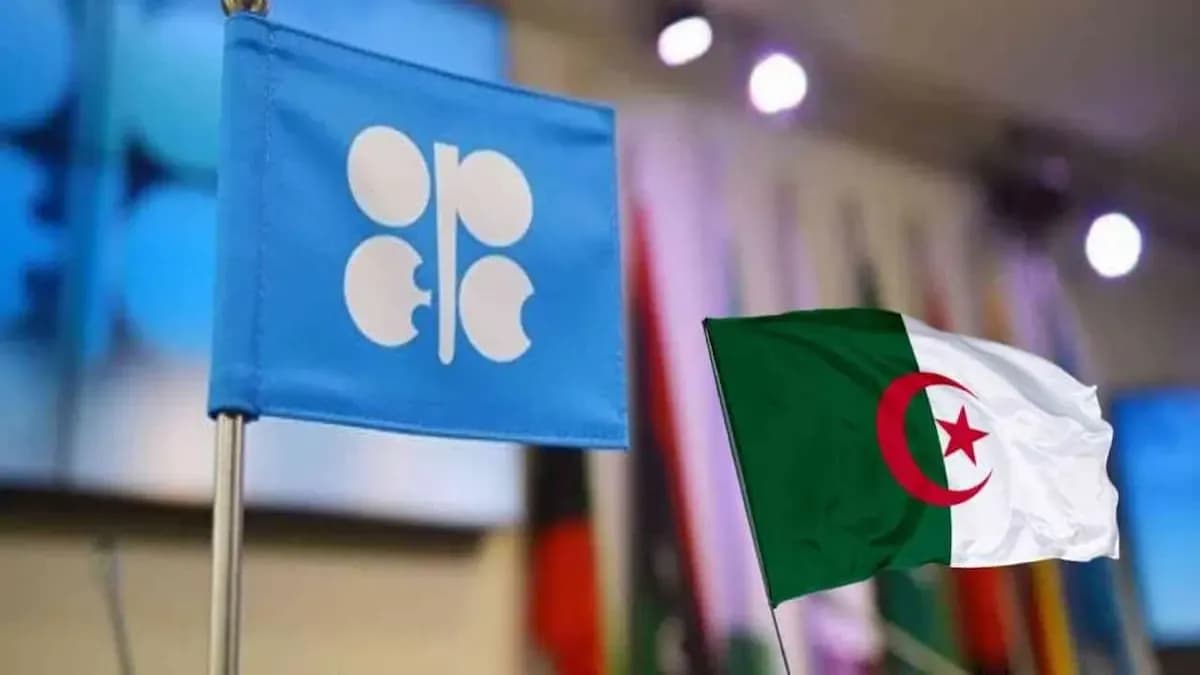
The Algeria Agreement adopted by the Organization of the Petroleum Exporting Countries (OPEC) is a key milestone in the path to restoring balance and stability to the international oil market, and an important turning point in efforts to enhance global oil governance. It also established a foundational point for strengthening cooperation between the member countries and major producers outside the organization. The agreement still represents a starting point for a sustainable path of cooperation among producers, by establishing a regular dialogue that allows for the coordination of collective actions and adaptation to the transformations occurring in the global oil market. Watch the full content on Echourouk Online.
echoroukonline.com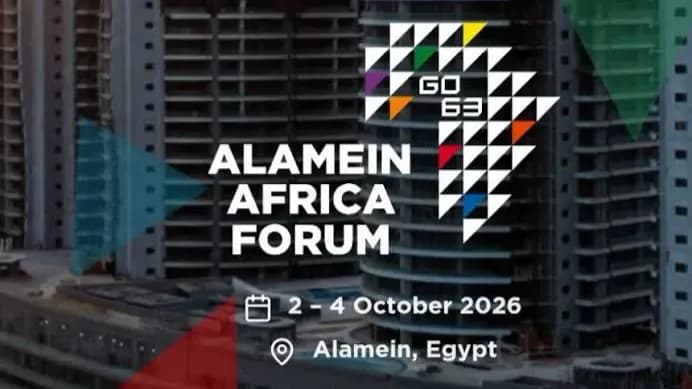
Egypt will host the first edition of the 'Africa Alamein' forum from October 2 to 4, with broad continental and international participation, including more than 20 heads of state and government, alongside officials and leaders of international and regional financial institutions and actors in various economic sectors, to discuss ways to enhance economic integration, trade, investment, and support for development and intra-African trade projects. The forum is organized in collaboration between the Egyptian government, the African Export-Import Bank (Afreximbank), and the African Union Development Agency (AUDA-NEPAD), and is expected to form a permanent African business forum held every two years, bringing together decision-makers and the private sector around growth priorities.
echoroukonline.com
Russian economic expert Kasy Idir confirms to 'El Khabar': there are promising prospects for protecting railways from cyber threats
 elkhabar.com
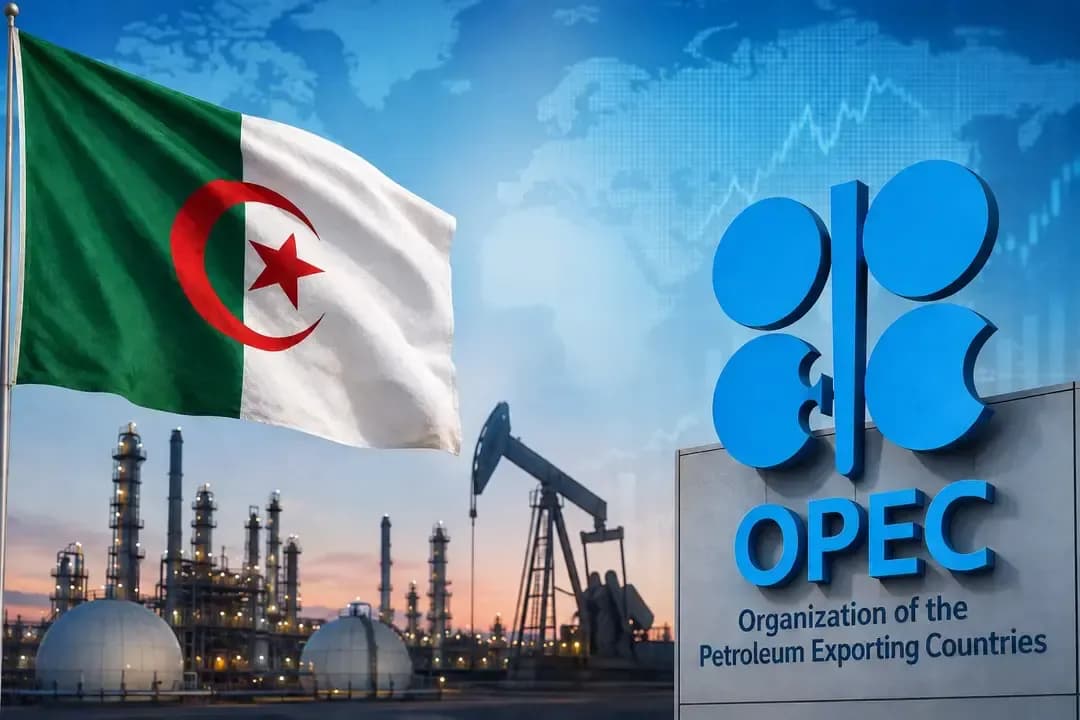
The Arab Petroleum Exporting Countries Organization 'OAPEC' confirmed that Algeria's agreement adopted by the Organization of the Petroleum Exporting Countries 'OPEC' represents a 'strategic turning point' in the global oil market as it established, in the long term, fundamental pillars for the 'OPEC+' agreement to address developments in the global oil market.
 radioalgerie.dz
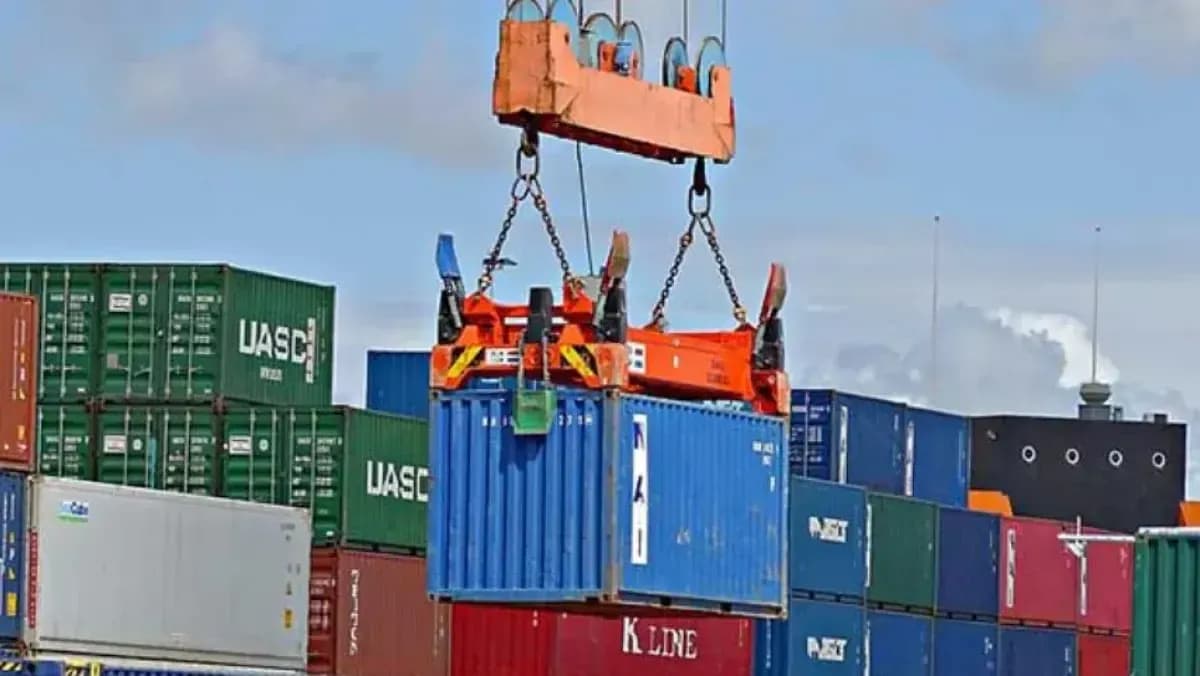
As part of enhancing exports outside the hydrocarbons sector.
elkhabar.com