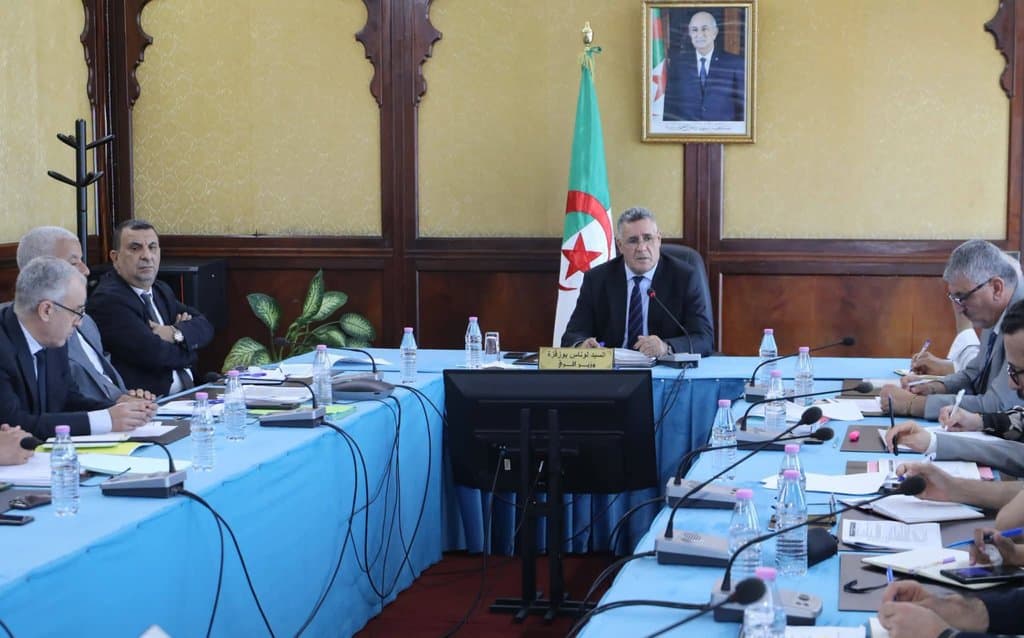
Meeting of the Minister of Water to Evaluate the Remote Connection Projects for Desalination Plants
Economy of Algeria news
Jul 6, 2026 iqtissadalbalad.dz
Oil, gas, petrochemicals, Sonatrach, and energy sector developments
Economy of Algeria news
iqtissadalbalad.dz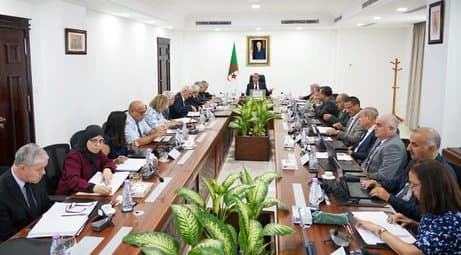
The Minister of Energy and Renewable Energies, Dr. Mourad Ajjal, chaired today, Monday, a meeting of the sectoral coordination committee, dedicated to following up and studying several files related to the sector's activities and management. According to a statement from the Ministry of Energy and Renewable Energies, the meeting took place at the ministry's headquarters, attended by several central officials of the sector and responsible representatives of the relevant bodies and institutions, where presentations were made on various files included in the agenda. Watch the full content on Echourouk Online.
 echoroukonline.com
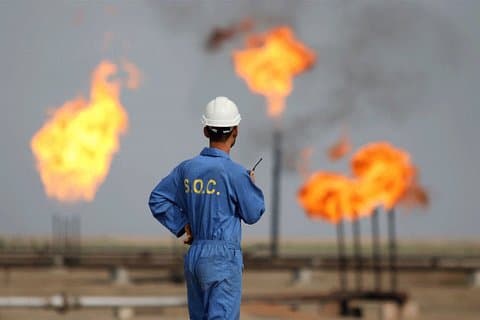
Oil prices rose slightly today, Monday, as crude continues to pass through the Strait of Hormuz, and the OPEC group agreed to increase supply.
iqtissadalbalad.dz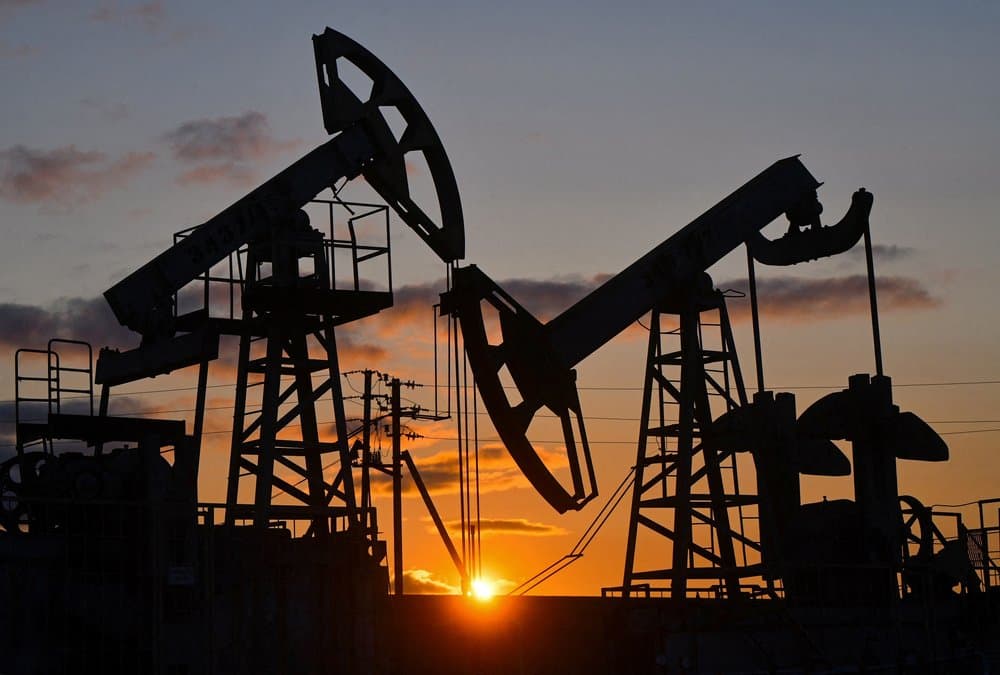
On Monday, oil prices recorded a slight decline at the beginning of trading, in response to an increase in supply in the market, which reduced concerns about supply shortages. During the morning session, the price of Brent crude for September delivery fell by 0.71% to $71.61 per barrel. Similarly, the U.S. counterpart, West Texas Intermediate crude for August delivery, decreased by 0.66% to $68.24 per barrel.
 radioalgerie.dz
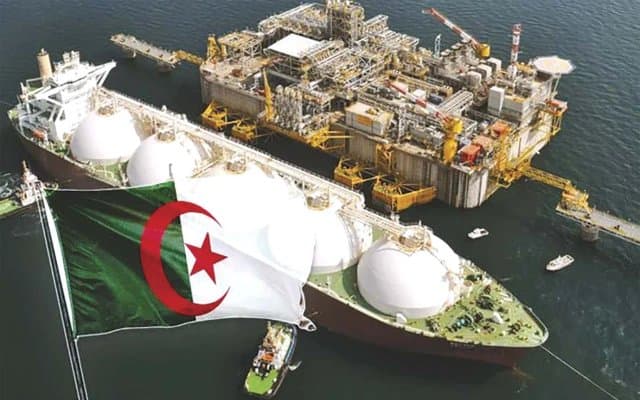
In 2025, Algeria supplied approximately 40 billion cubic meters of gas to the European Union (EU), remaining one of its main suppliers. It actually ranks second among the largest suppliers of natural gas to the EU via pipelines.
 ecotimesdz.com
Algeria and six other OPEC+ countries have decided on an increase in production of 188,000 barrels of oil per day (b/d)
ecotimesdz.comThe conclusion drawn is unequivocal: the country is no longer limited to managing its oil rent, but is undertaking a profound overhaul of its development model, with concrete opportunities for American investors. The energy sector remains, unsurprisingly, at the forefront of this dynamic. The CEO of SONATRACH, Nour Eddine Daoudi, detailed a five-year investment plan of 60 billion dollars, most of which will be directed towards upstream — exploration and production — with a dual objective: renewing national reserves and developing offshore ...
ecotimesdz.com
Algeria - Algeria and six other countries from the OPEC+ group decided today, Sunday, to collectively raise their production by 188,000 barrels per day, starting from next August, while committing to a cautious approach to maintain market stability.
 aps.dz
Algeria participated today, Sunday, via video conferencing, in the meeting of the seven countries from the OPEC+ group concerned with implementing additional voluntary production adjustments, where a collective production adjustment was decided starting from August 2026.
iqtissadalbalad.dz
Algeria and six other countries from the OPEC+ group decided on Sunday to collectively raise their production by 188,000 barrels per day, starting from August.
 echaab.dz
The Ministry of Energy announced that Algeria will raise its oil production level to 1.001 million barrels per day starting from August 2026, an increase of 6,000 barrels per day, following the decision of the seven countries in the OPEC+ group to make a collective adjustment in production. The ministry clarified, in a statement, that Algeria participated, on Sunday, July 5, 2026, via video conferencing, in the meeting of the seven countries from the OPEC+ group concerned with implementing additional voluntary production adjustments, alongside Saudi Arabia, Iraq, Kazakhstan, Kuwait, Oman, and Russia. View the full content on الشروق أونلاين.
echoroukonline.com
The OPEC+ alliance is set to approve a new increase in oil production starting from next August, amounting to 188,000 barrels per day, according to informed sources, in a move aimed at injecting more supplies into global markets amid falling crude prices and the resumption of export flows through the Strait of Hormuz. The sources, cited by Reuters, stated that the alliance, which includes the Organization of the Petroleum Exporting Countries (OPEC) and its allies led by Russia, has preliminarily reached an agreement to raise production quotas at the same pace as those set for June and July, with the decision to be presented for approval during the meeting scheduled for today, Sunday, via video conferencing.
echoroukonline.com